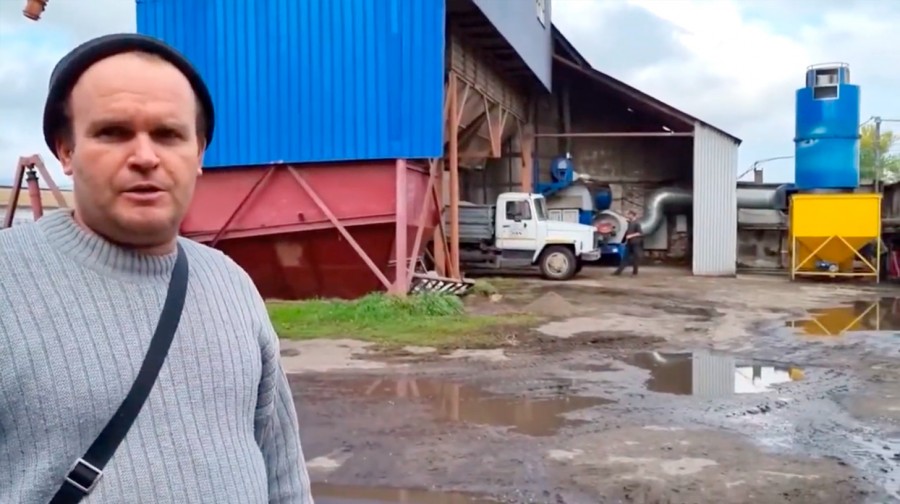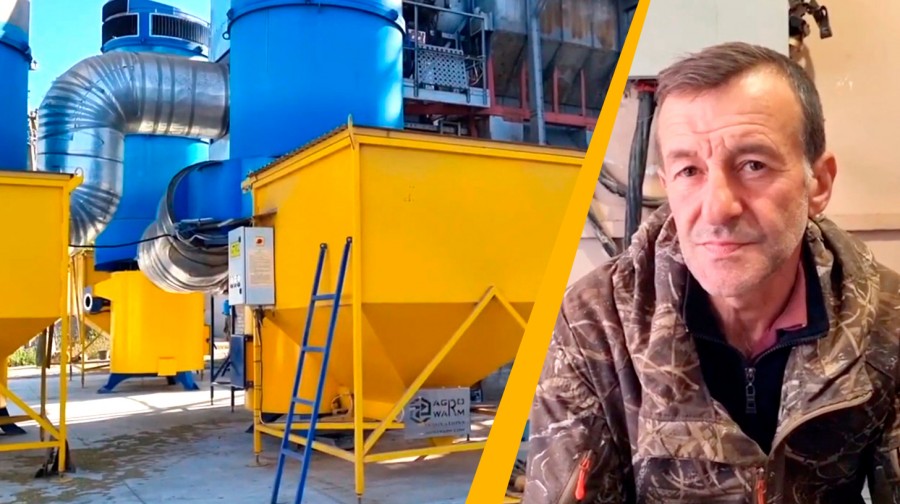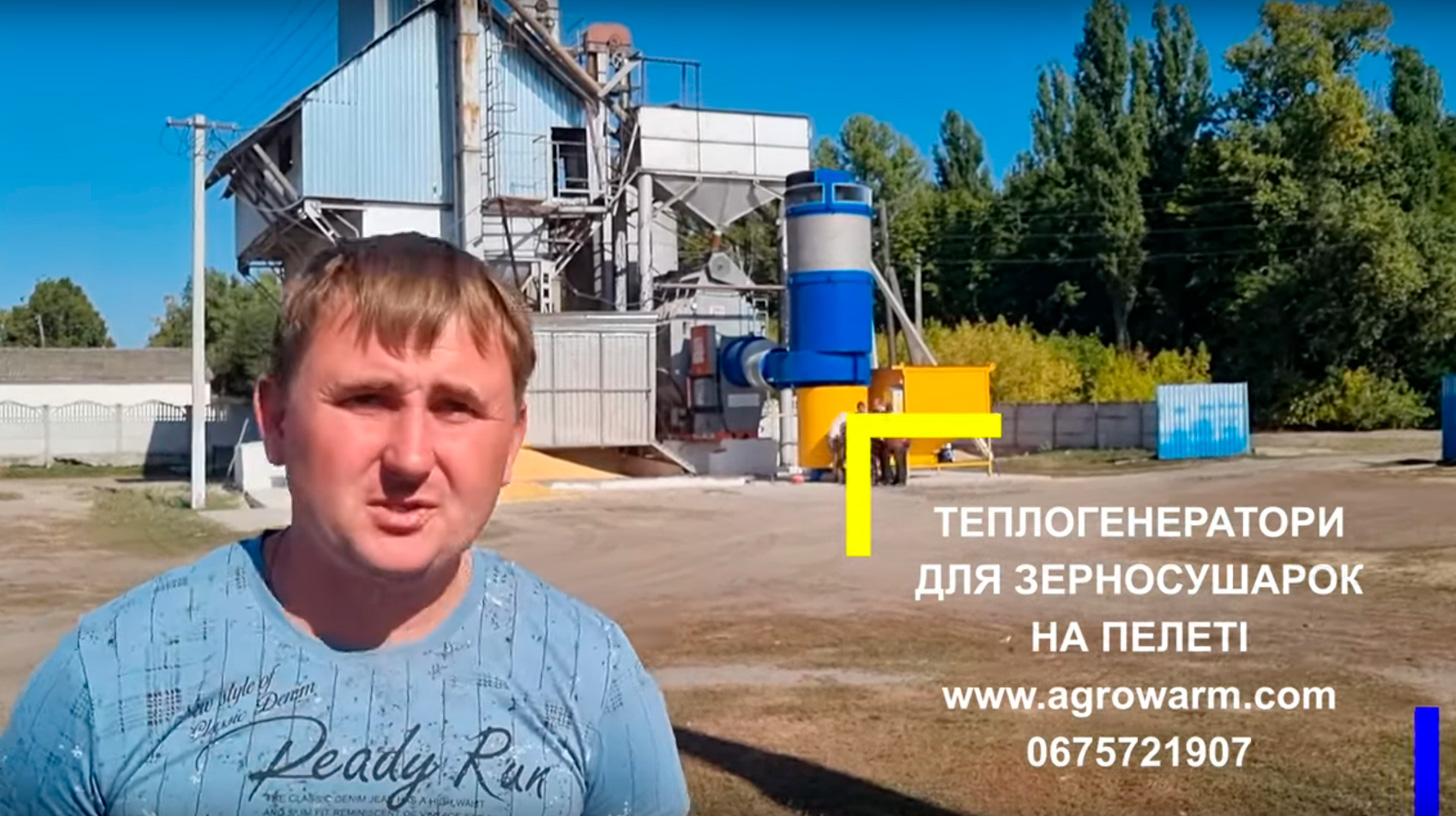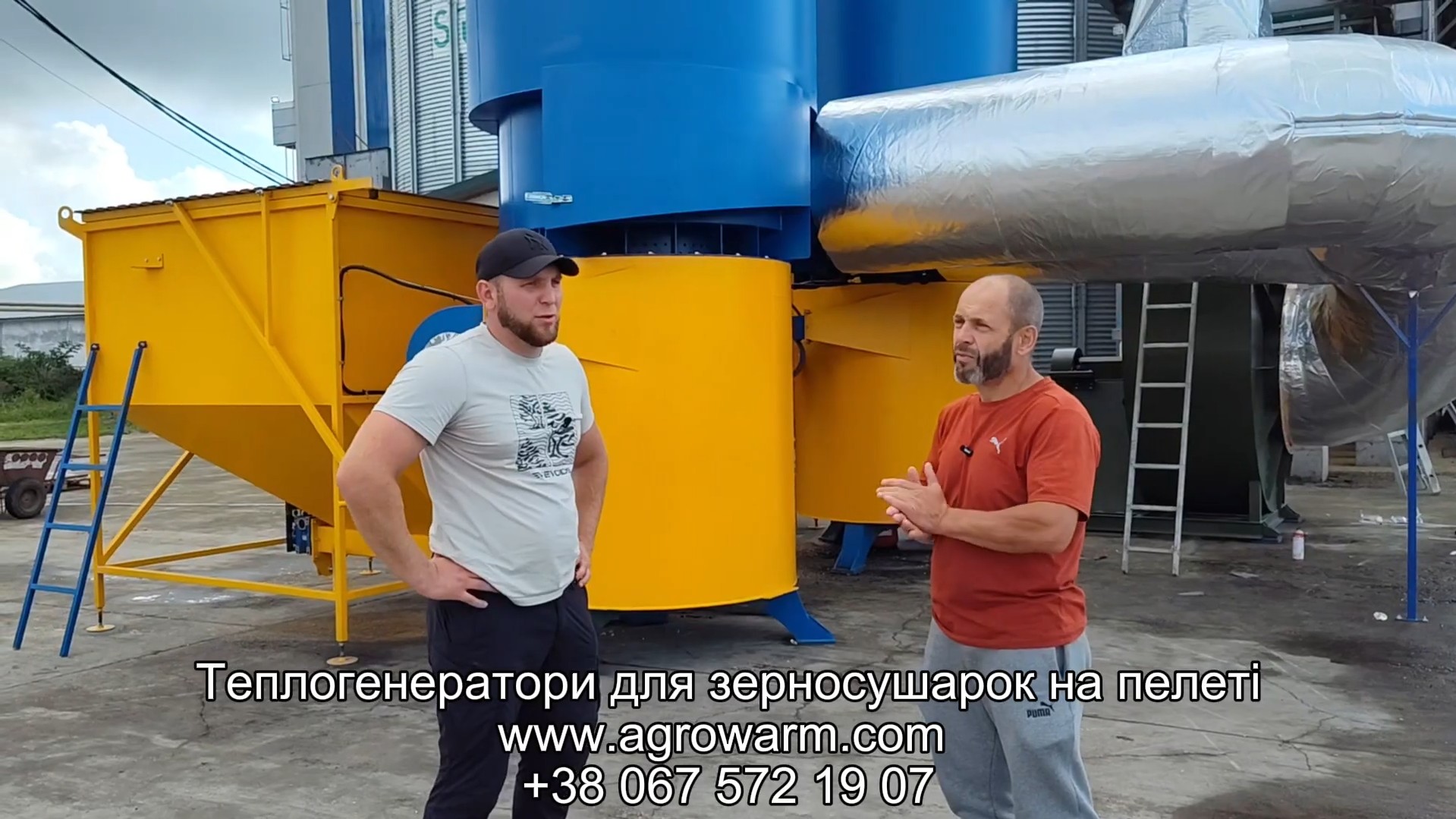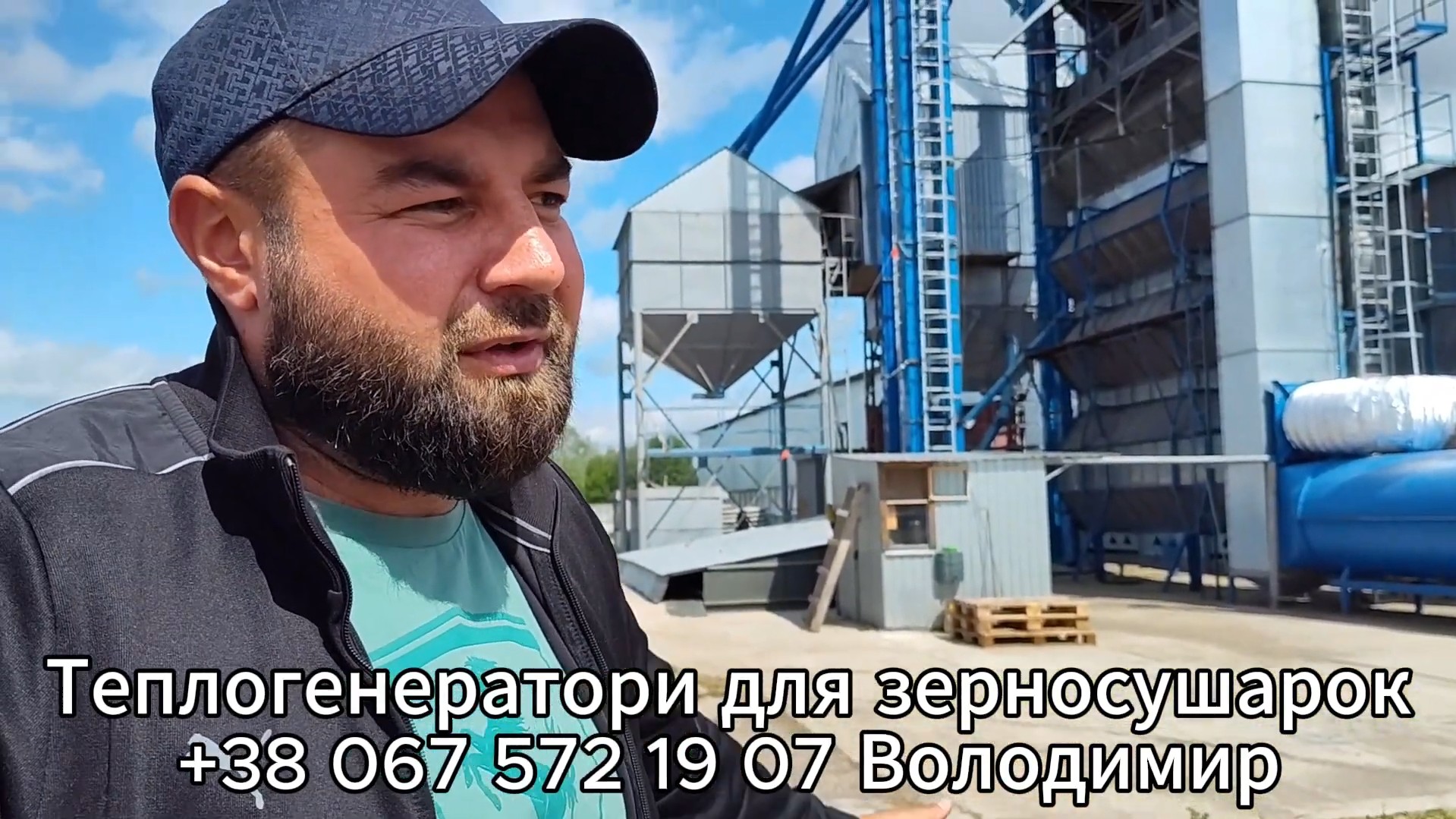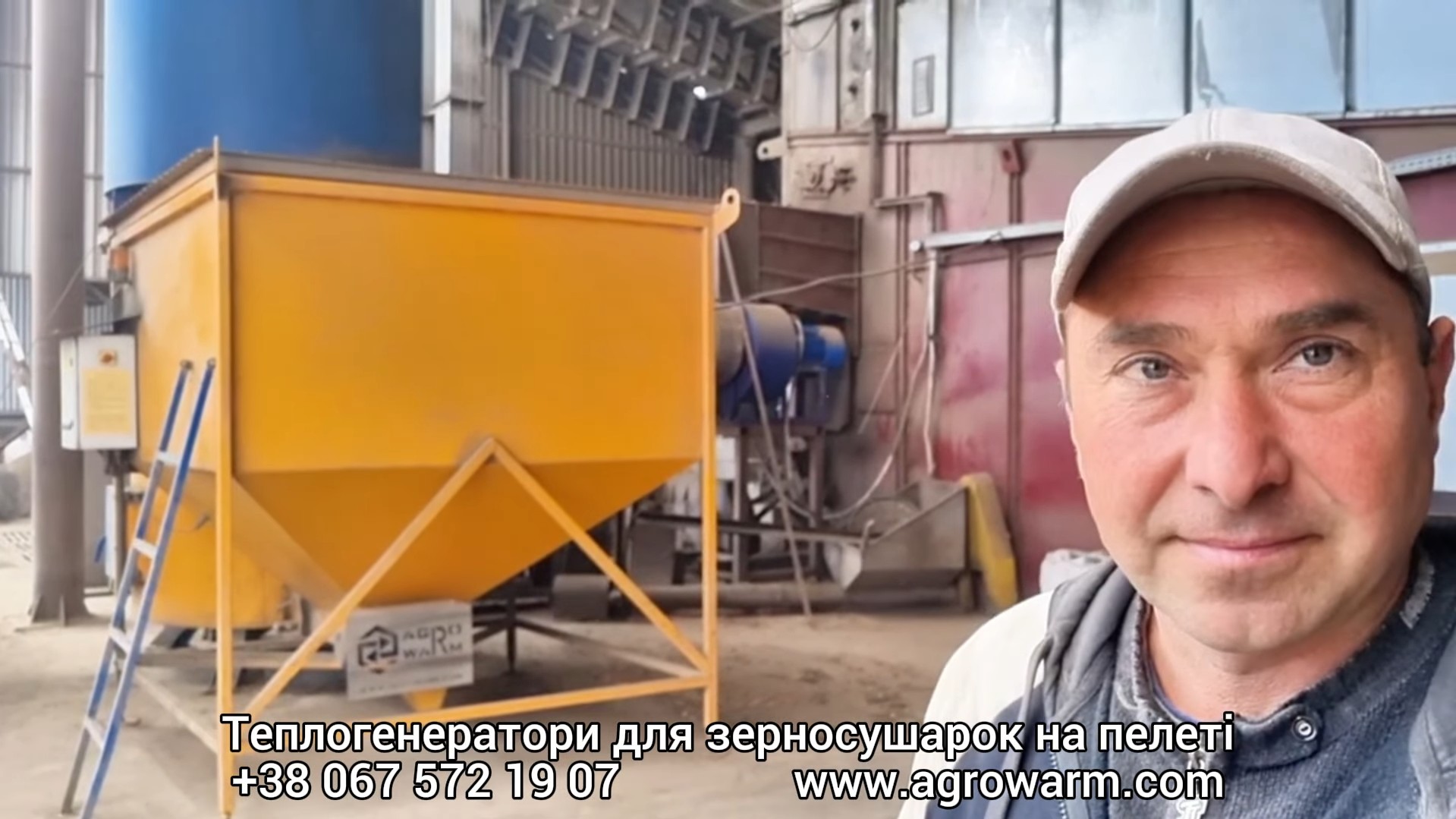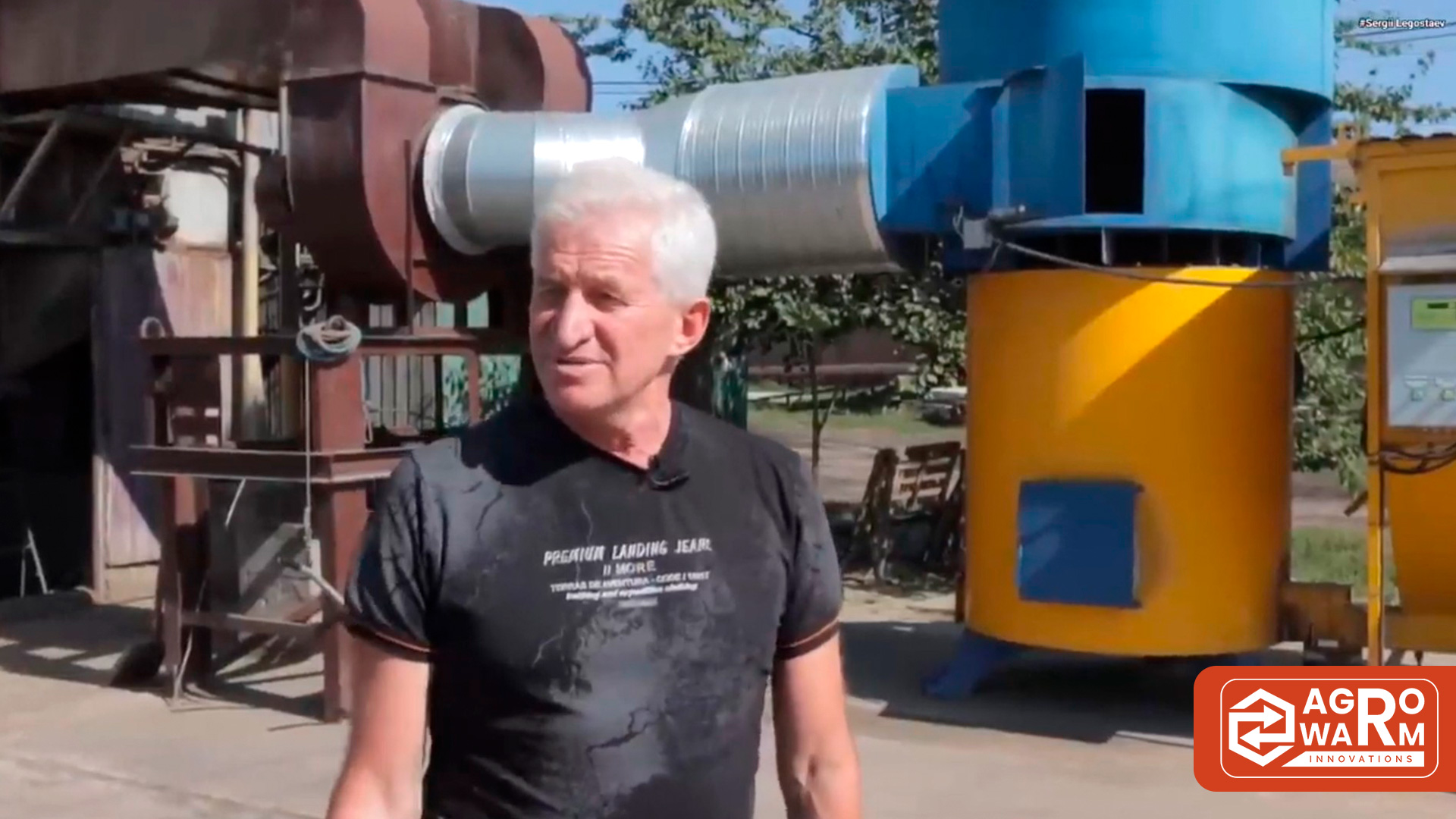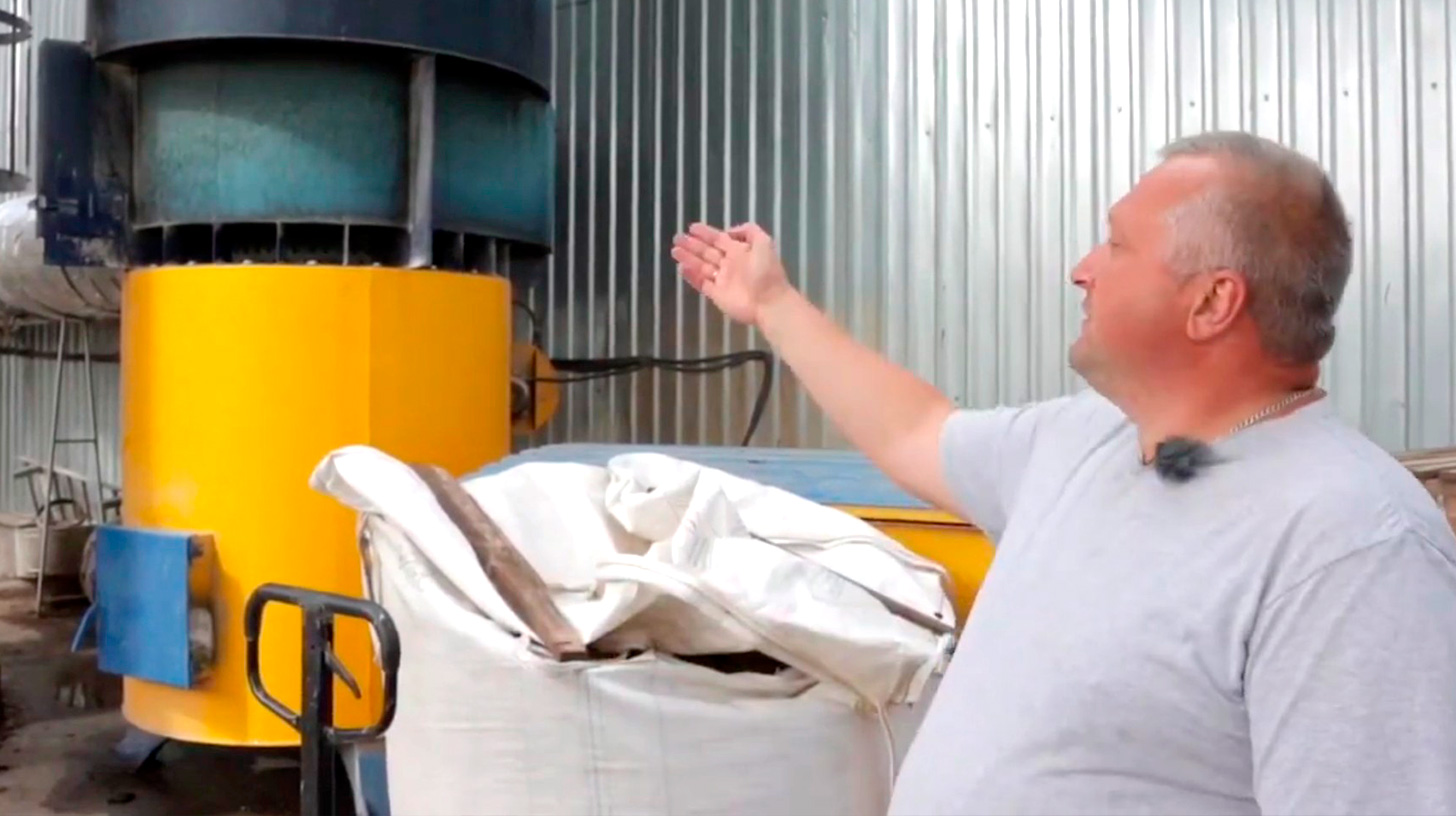
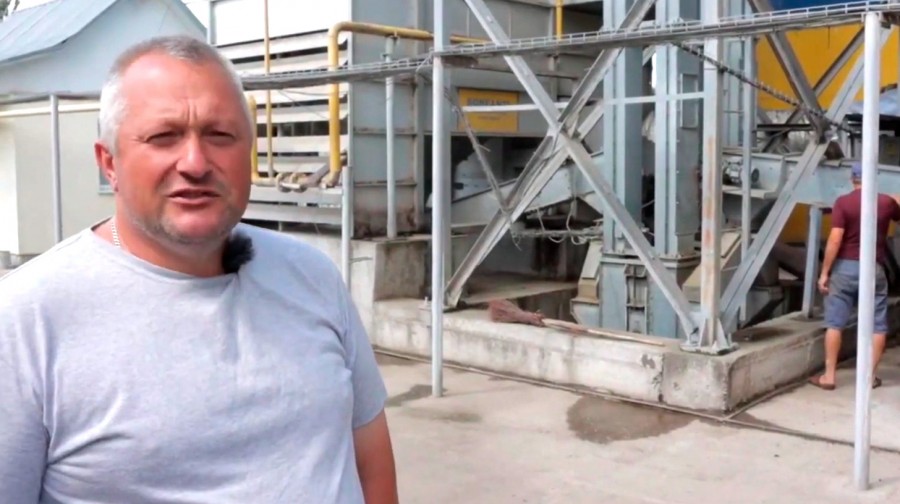
The modern complex built on Ukrainian AgroWarm heat generators shows how pellets can fully replace gas and diesel in grain drying — with no smoke, no odor, and with certified quality suitable for organic export.
The key design feature is a low-temperature vortex burner with air-cooled concrete walls. The flame forms a “column” and does not touch the concrete, allowing components to work for years without rebuilding.
 «Internal temperatures are high, yes, but the concrete is cooled by air. The service life increases dramatically», explains the production director in Okhtyrka.
Fuel — wood pellets. Typical seasonal consumption: ~2.0–2.2 kg per ton-percent (depending on weather and pellet quality). Electricity consumption of the heat generator itself — up to 3 kW (feed + air supply).
«Gas was 50 UAH/m³ — we recouped it within one season. With today's prices — 2–3 seasons», says the elevator manager.
Complex productivity depending on crop and moisture:
Wheat: up to 350–400 t/day (e.g., from 16% to 14%).
Corn: at higher initial moisture — up to ~200 t/day (depending on moisture removal).
Reaching operating temperature — 4–5 minutes, comparable to gas/diesel burners.
The economics are clear: roughly up to 3 kg of pellets per ton-percent versus ~1.1 m³ of gas. Gas logistics bring fixed costs and bureaucracy, while pellets are simpler and more stable.
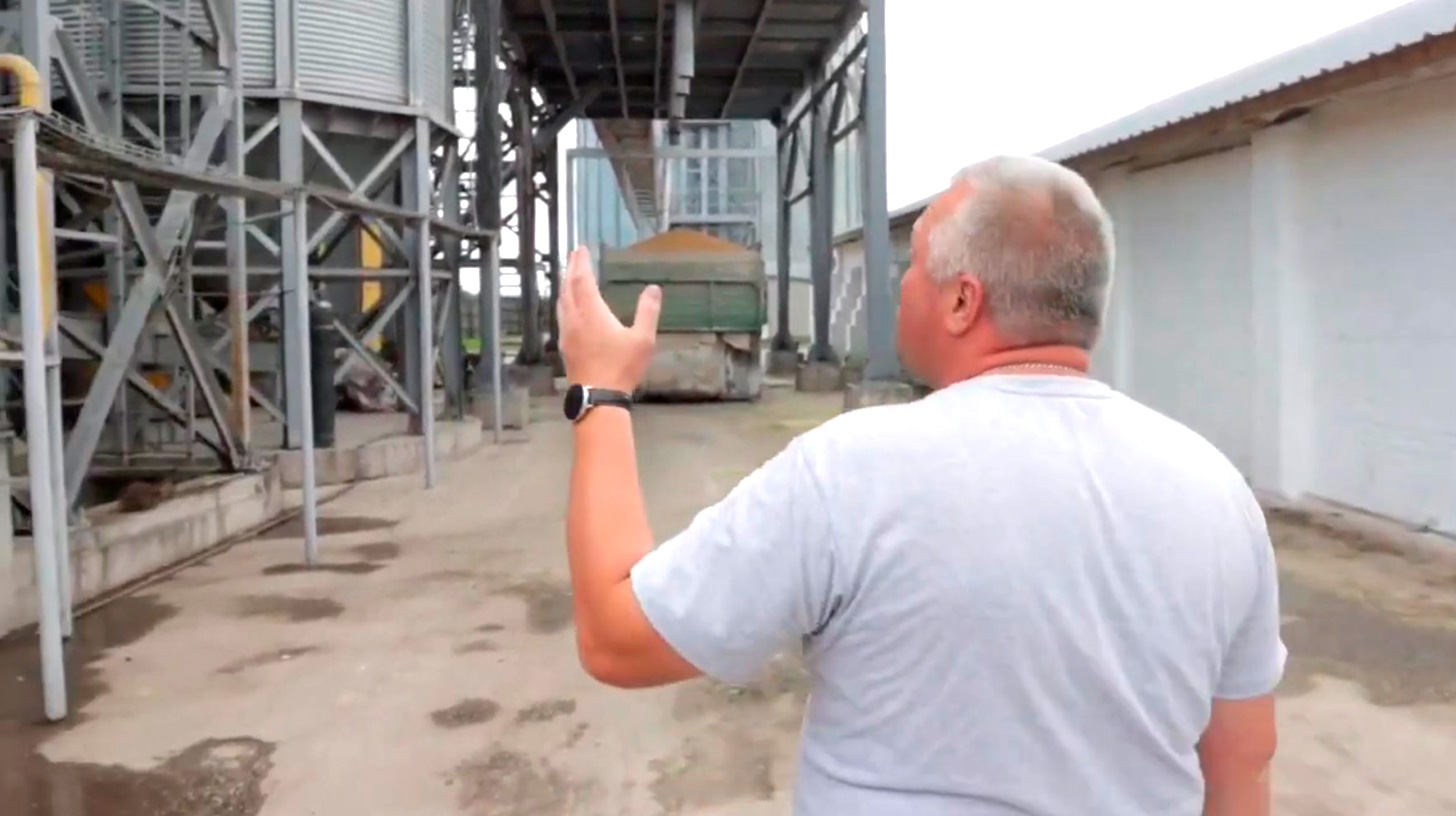
 «We switched the entire farm to pellets — heating and drying. Lower cost, faster service», comments the farm owner.
The quality of the grain is laboratory-confirmed: grain from this complex passes testing for organic export, including requirements for baby-food-grade raw material.
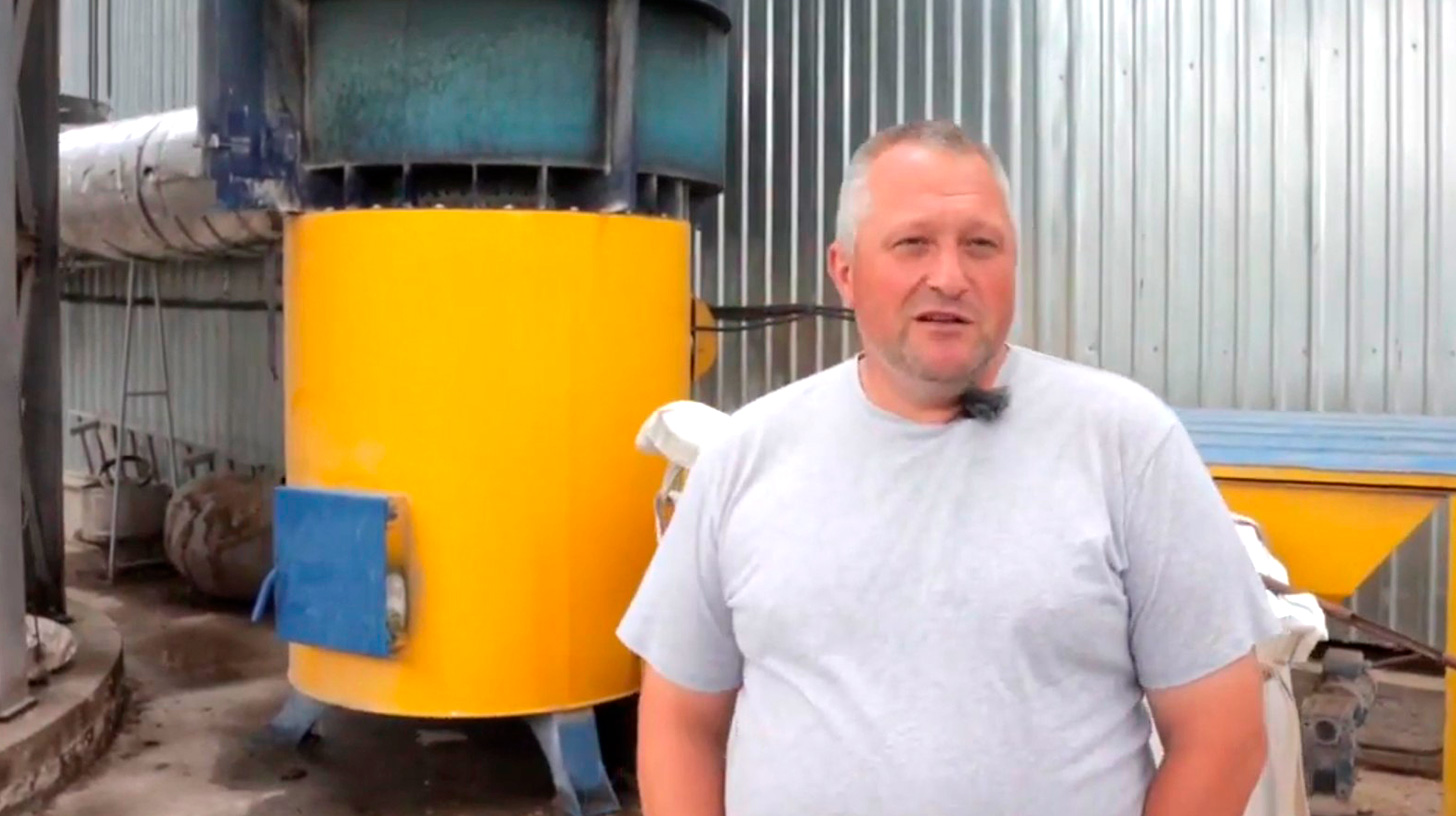
«We sent samples for toxin tests — all limits passed. No odors after drying».
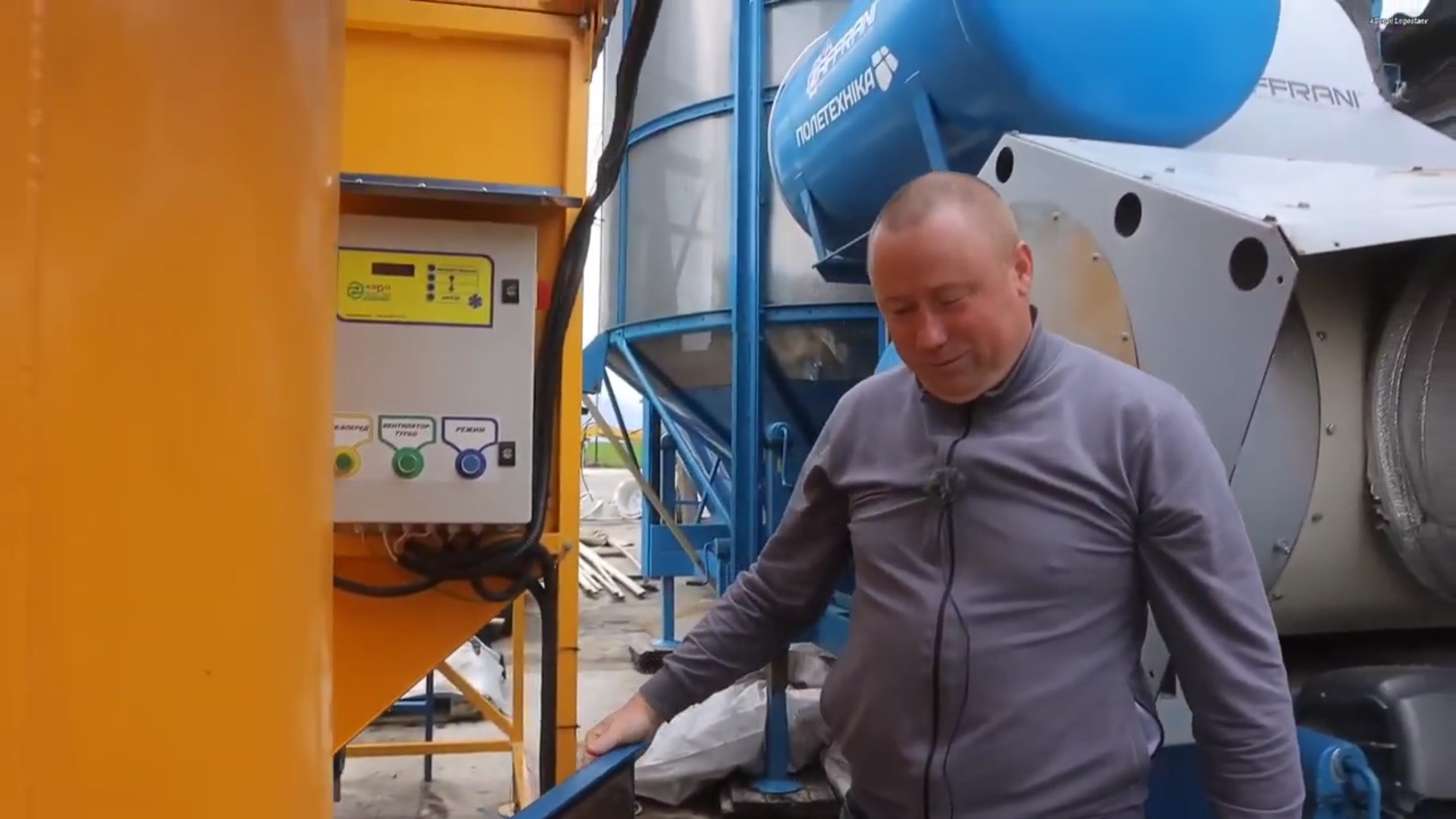
Operation is based on automation: set the temperature, and the system maintains ±2–3 °C; cleaning is required every 1–3 days (with proper pellet quality).
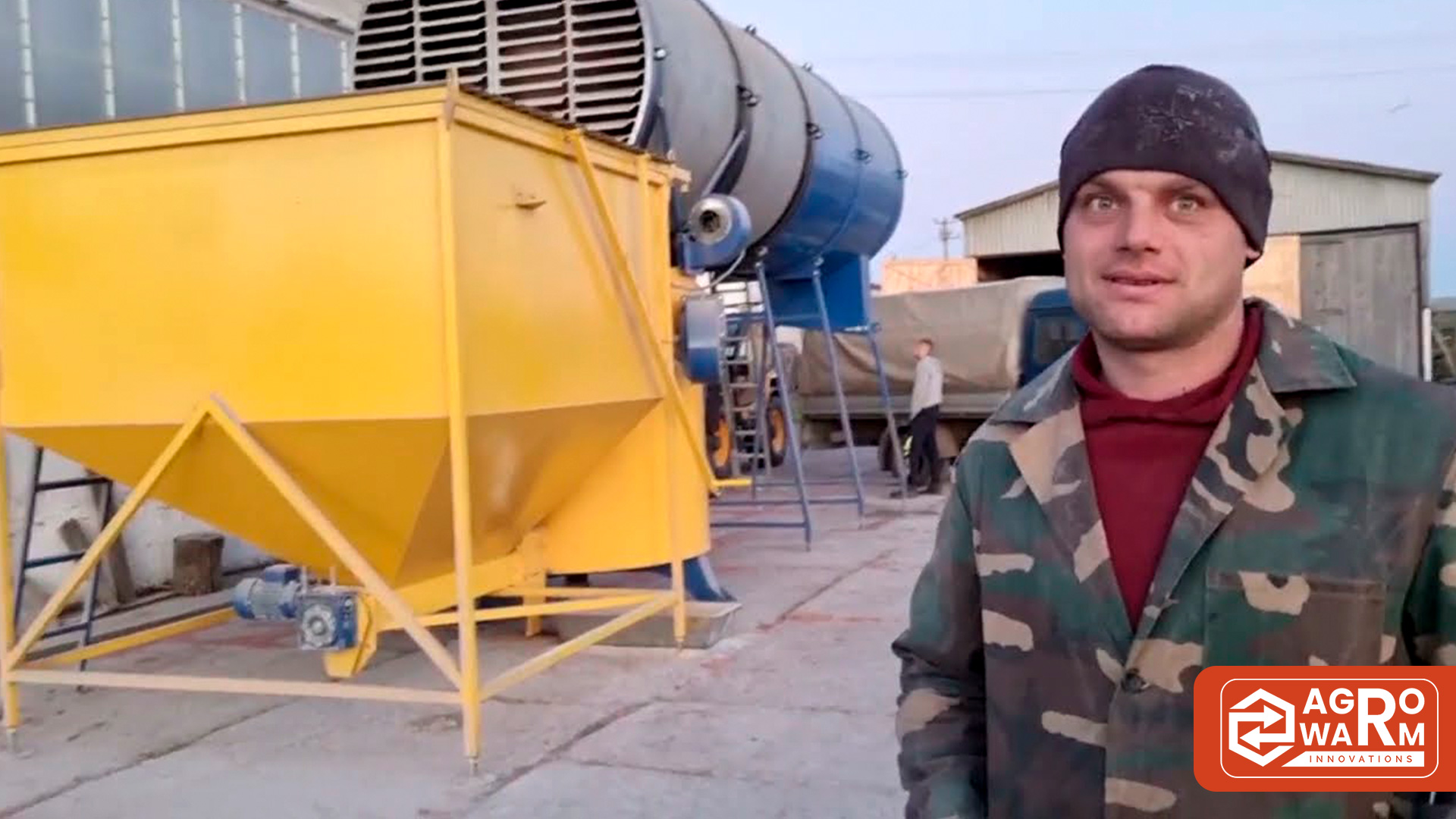
«They offered us a larger bunker, but our operators joke: adding pellets every 40 minutes cures sleepiness instantly», the supervisor smiles.
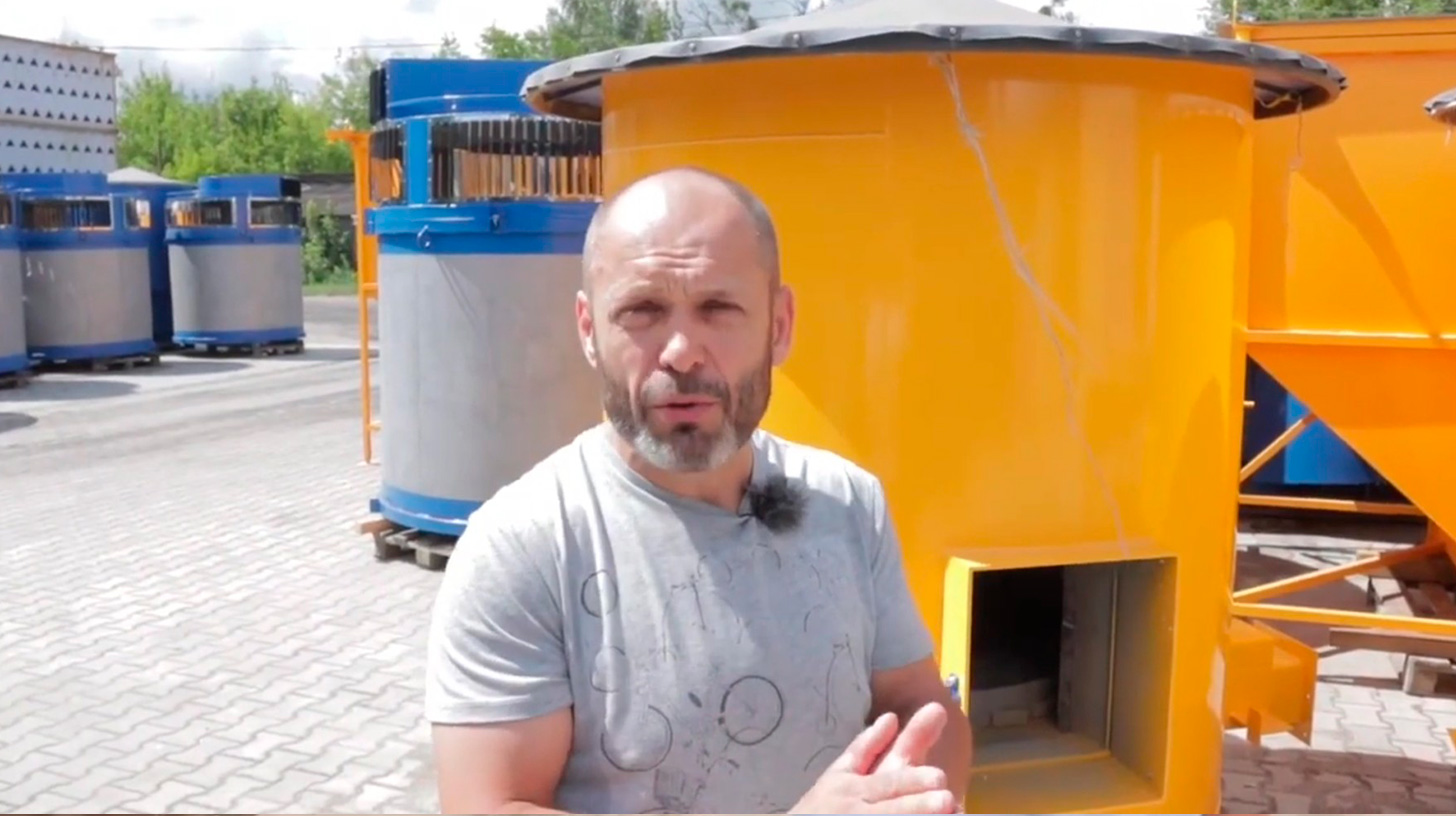
The Okhtyrka production facility operates even during wartime: the manufacturing cycle includes proprietary refractory concretes, sandblasting, and high-temperature paints; installation on-site takes up to two days.
«We never stop improving: fifth-generation burners, more stainless steel, better electronics and filtration», the director concludes.